
How to choose the right underwater housing for your camera: the definitive guide

You've decided to take your camera underwater. Now comes the hard part: figuring out which housing is really right for you.
The market offers dozens of options, at prices ranging from a few dozen to several thousand euros. Plastic housings, aluminium housings, dedicated models, universal models, with mechanical or electronic controls. It's easy to get lost, and getting the choice wrong means, in the best case, spending your money twice.
This guide helps you understand what really matters, which questions to ask before you buy, and how to read technical specifications without getting lost in the details.
The first question to ask yourself: what do you want to photograph?
It sounds obvious, but many people skip it and end up with a housing that's perfect for the Maldives but doesn't survive a technical dive, or the other way around, with a professional 3,000 euro system for snorkelling with the kids.
The type of diving you do determines everything else: the housing's operating depth, the material, the controls you need, the weight you're willing to carry.
Recreational diving down to 30-40 metres
You have the widest range of choices. Almost all quality housings are certified for these depths. Here, the difference comes down to ergonomics, ease of use, and compatibility with your camera.
Technical diving beyond 40 metres
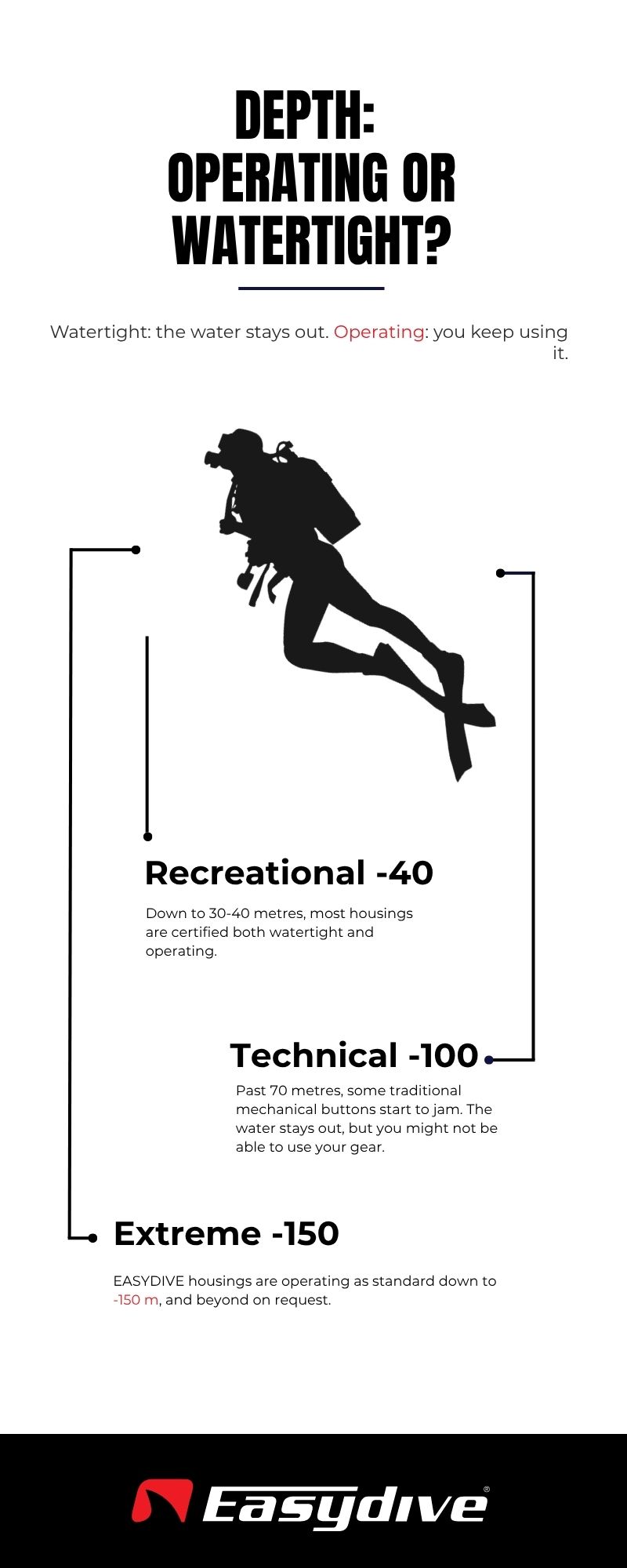
Pressure increases significantly. Not all housings hold up, and not all control technologies work the same way at depth. Traditional mechanical buttons, for example, can jam or stiffen beyond certain depths, and o-rings can deteriorate over time and cause water leaks. That's why buttons need periodic maintenance that users can rarely carry out on their own, and it's something you need to check carefully before buying.
Professional use and video production
You need to control your equipment's functions underwater too: ISO, aperture, focus, white balance. You're looking for a system that doesn't force you to compromise on image quality.
Dedicated or universal housing: the difference that changes everything
It's the most important distinction, and the one that's explained the least clearly.
Dedicated housing
It's designed for a specific camera model. Every button on the housing matches exactly one button on your camera: everything is within thumb's reach. The advantage is millimetre precision. The disadvantage is that when you change camera, and sooner or later you will, because technology moves on, you have to buy a new housing.
This isn't just a financial cost, it's also an environmental cost: a dedicated housing has an average lifespan of 2-3 years, tied to the life of the camera it was built for. After that, it becomes obsolete.
Universal housing
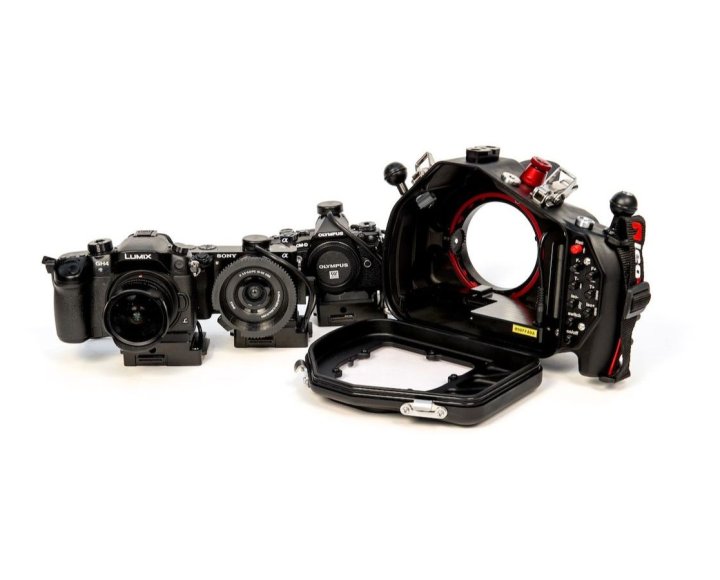
Designed to adapt to different cameras. You change the internal adapter, update the recognition firmware, and the same housing works with your new camera body too. This means you can choose to keep using your old gear in more extreme conditions, since you can afford to put it through hard use, while preserving the new one. Easydive customers who use the same housing for 20 years with three, four, five different cameras aren't the exception, they're the norm.
The savings over time are real. But there's an aspect that's often underestimated: with a universal housing, the buttons stay in the same place, regardless of which camera you're using. Underwater, where focus matters most, that's a concrete advantage that makes a difference.
The material: plastic or aluminium?
The short answer is: it depends on what you want to achieve, and for how long.
Plastic housings
They're generally lighter and less expensive. They work well for recreational diving at moderate depths. The problem is that underwater plastic deteriorates over time: exposure to salt water, sun, scratches and impacts gradually degrades it. And once it wears out, it goes into general waste. Plastic housings also have a serious issue with condensation: today's cameras record high-resolution video, they heat up a lot, and this creates condensation that builds up on the front glass. The result? Blurry, ruined images.
Aluminium housings
They're sturdier and longer-lasting. Ours are machined from a single solid block of aluminium, not assembled from separate parts, which eliminates many structural weak points. Aluminium is recyclable, repairable, renewable. A well-maintained aluminium housing lasts decades.
Easydive uses aluminium exclusively. It isn't a marketing choice: it's a position on what it actually means to make a quality product.
The buttons: mechanical or electronic?
This is the most debated technical feature, and often the least understood.
Mechanical buttons
They work through a system of levers and rods that physically transmit the pressure of your finger to the camera's button. They're reliable under normal conditions, but they have a physical limit: the deeper you go, the more external pressure makes them stiff or hard to press. Beyond a certain depth, some stop working properly.
Magnetic buttons
This is the technology Easydive has used for over 20 years. They have no mechanical parts in direct contact: they transmit the signal through a magnetic field, eliminating water entry points and keeping the same responsiveness at 5 metres as at 150. They don't jam under pressure, and they don't wear out from friction. And since there are no mechanical shafts, every potential water entry point is one less to worry about.
If you dive recreationally at shallow depths, the difference is less relevant. If you go deep or work in demanding conditions, it's the difference between a system that works and one that lets you down at the wrong moment.
Operating depth and watertight depth: the difference that matters
Every housing has a certified operating depth and a certified watertight depth. These figures are easy to find, but often misunderstood.
The operating depth is the depth up to which the manufacturer guarantees correct functioning. The watertight depth is the depth up to which the manufacturer guarantees that water won't enter the housing. So, to know whether a housing actually works at a given depth, you need to check the operating depth.
Easydive housings are operational, as standard, down to -150 metres. Not just watertight, but operational. This is a distinction that matters: most competitors guarantee watertightness down to -100 metres, but not functionality. Already around 70 metres, mechanical buttons jam and the camera stops responding. The housing keeps the water out, but you can't use it.
Easydive is the only housing in the world operational at -150 metres. And on request, the operating depth can be extended further: to date, some housings have been certified down to -450 metres — a documented record.
For the vast majority of dives, this margin is more than enough. But knowing it exists, and that behind it there's real testing, not just a claim on paper, changes the way you go into the water.
Which housing for which camera?
The Easydive catalogue covers all the main categories. Here's an overview to help you find your way.
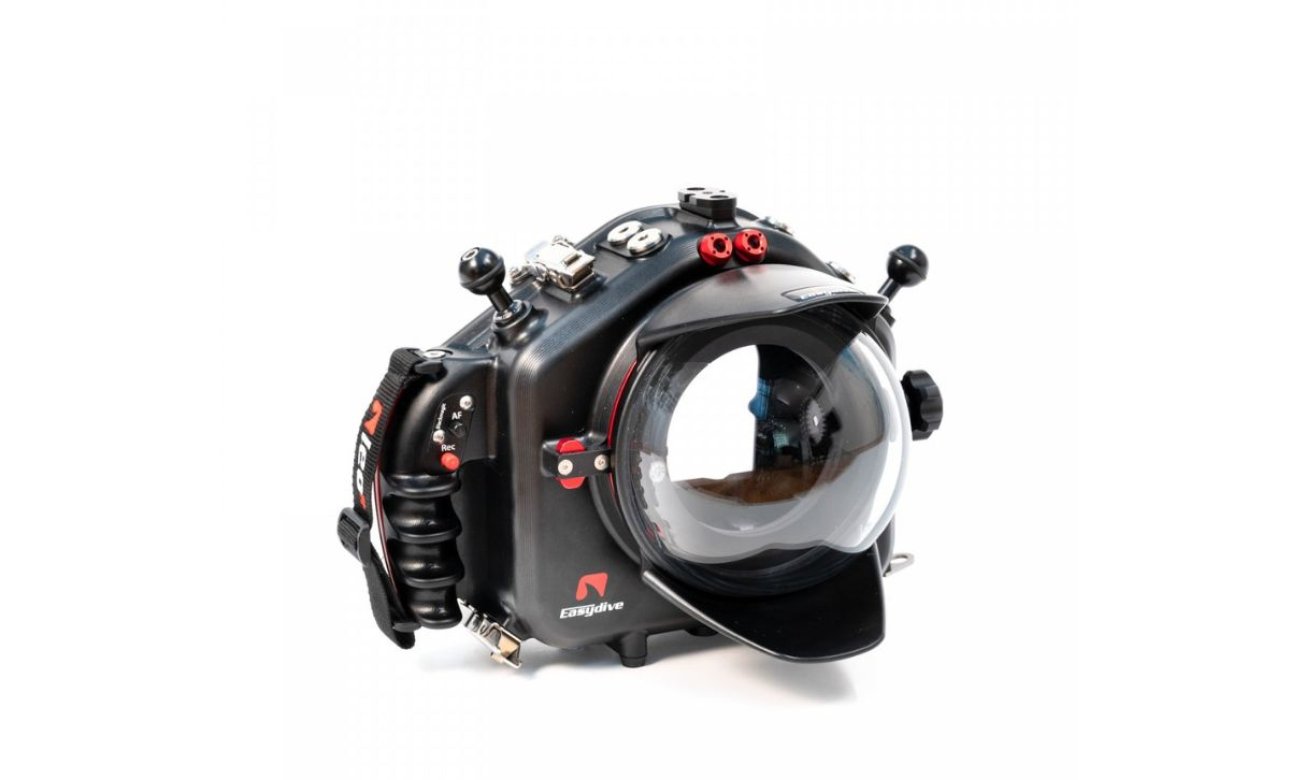
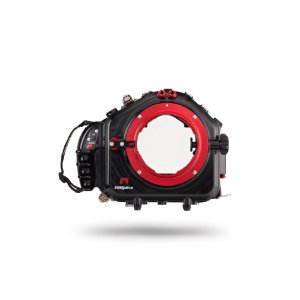
DSLR and mirrorless — Leo series
The Leo series housings are designed for those who use professional-grade cameras and want full control over their camera underwater too.
LeoR is the flagship of the range: the largest, designed to accommodate bigger cameras such as the Canon EOS R5 MK2, Blackmagic 6K Pro and similar models.
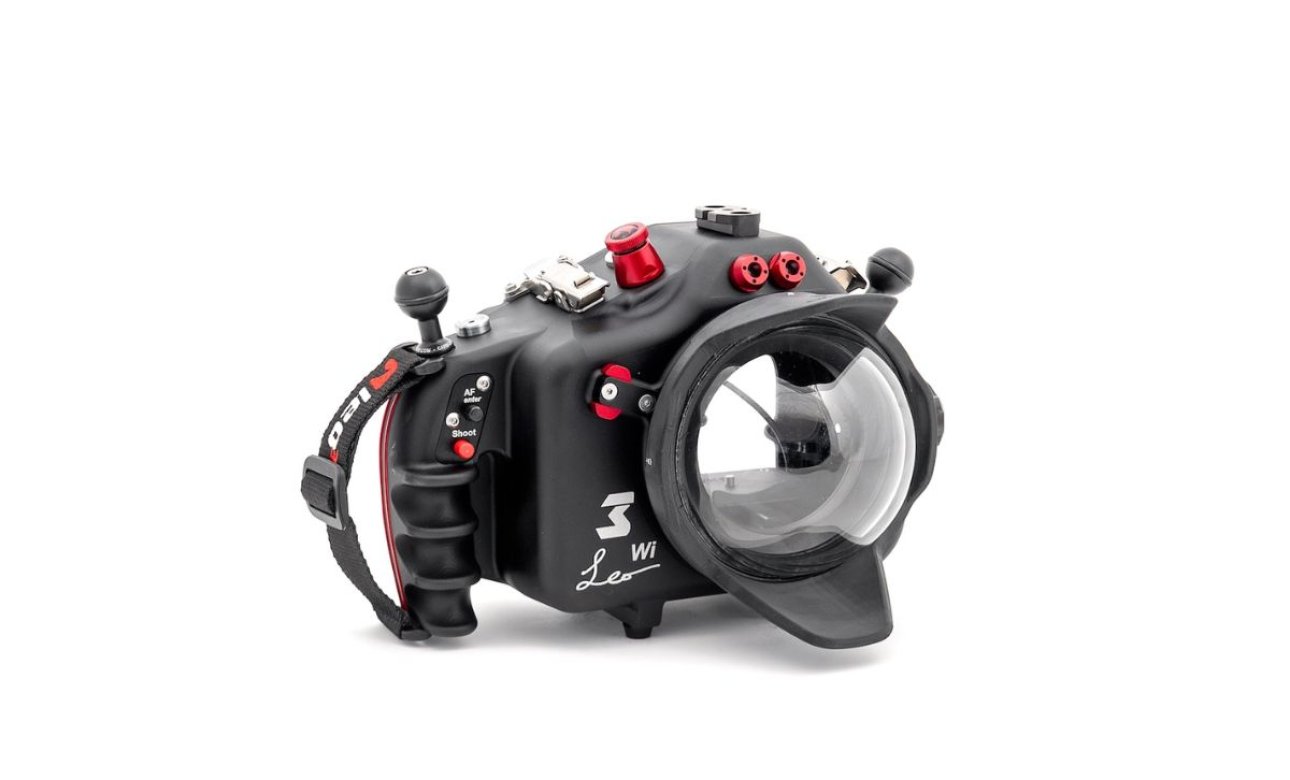
Leo3 Wi and Leo3 Wi Plus are the most compact in the series, ideal for smaller cameras such as all Sony and Canon EOS models.
Leo3 complete the range with intermediate solutions for those looking for a balance between capacity and size.
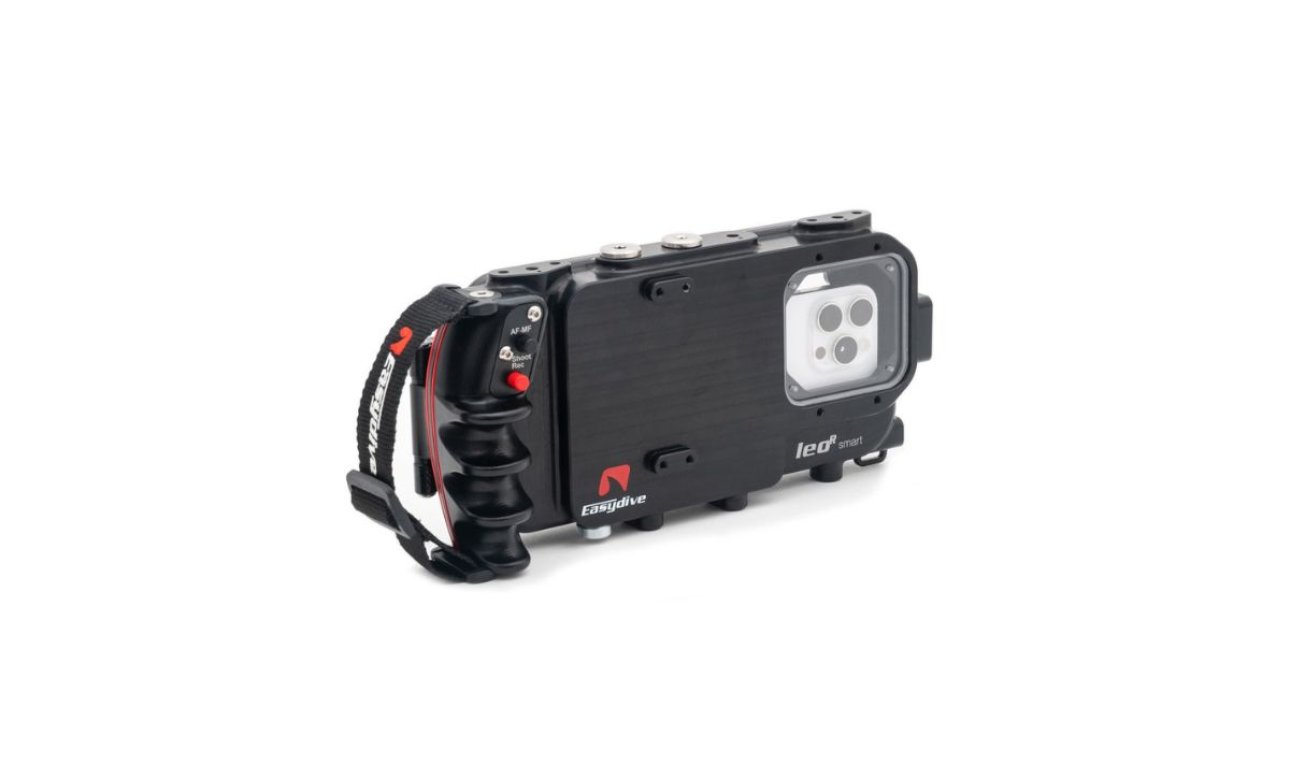
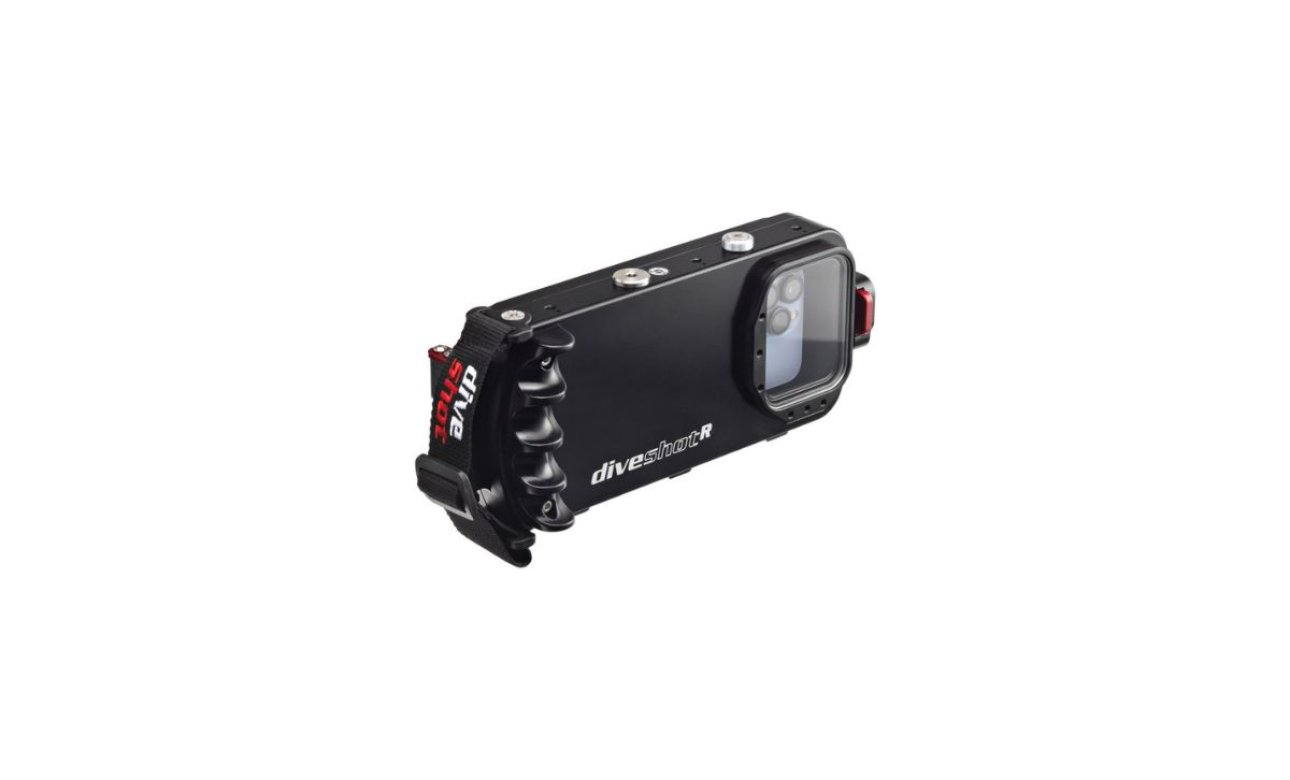
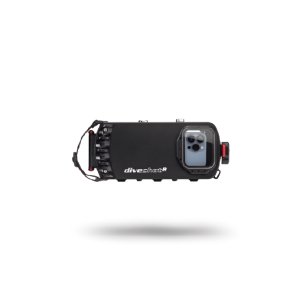
Smartphones — LeoR Smart and DiveshotR
Choosing the right housing for your smartphone means finding the right balance between performance, features and ease of use.
LeoR Smart represents the pinnacle of Easydive technology applied to smartphones: Bluetooth connectivity, operating depth down to -150 metres, built-in SSD, advanced controls and a complete ecosystem of professional accessories and optics.
DiveshotR is the more compact, straightforward solution, designed for those who want to enter the world of underwater photography with ease, without giving up quality images and video.
Two housings, two different ways to experience the sea. The same Easydive quality.
Action cams
Specific housings for GoPro, Insta360 Ace Pro and DJI Osmo Action. Aluminium, an operating depth greater than plastic housings, with no screen fogging issues.
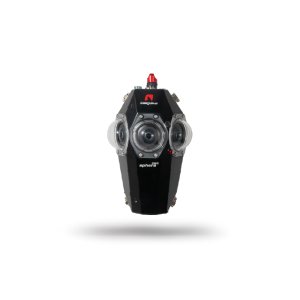
360° cameras
Sphera 360 Gold for those working with immersive content. Riccardo Cingillo, an underwater documentary maker, used an Easydive housing to bring the sea's first rooms into 360° virtual reality across all of Italy's protected marine areas.
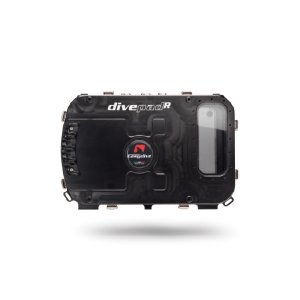
Tablets — DivePad R and DivePad R Power
For those doing scientific research, underwater surveys or training: the DivePad R and DivePad R Power take your tablet (iOS, Android and Windows) into the depths, with all the control you need.
The questions we're always asked before a purchase
"I'm worried it will flood."
It's the most common concern. An Easydive housing has a double O-ring radial seal, which works with water pressure, not against it. Every housing is tested before leaving production: 3 pressure chamber tests at -150 m (or the relevant guaranteed depth) to check the seal and rule out manufacturing or assembly defects. There's also an optional vacuum test system, which lets you check the seal before diving.
"Are electronic controls reliable?"
You're already using a dive computer. You're already using a digital camera. Electronics underwater aren't uncharted territory, they're at the heart of all modern photography. Easydive technology is the same choice made by Navy divers and technical divers who go beyond 100 metres, where malfunctions aren't an option.
"If I change camera, do I have to buy a new housing?"
No. With an Easydive universal housing, you change the adapter and update the firmware. Aldo Ferrucci has used the same housing with five different camera bodies. Alberto Balbi is on his fourth camera body, Luca Coltri and Alessandro Beltrame are already on their fifth. It's the strength of the system, not an exception.
"How do I know which one is right for me?"
Call us: our experts are ready to help you before, during and after your purchase.
How to choose: the three-step method
1. Start with your camera.
Which camera body do you use today? Are you planning to change it in the next 2-3 years? If so, a universal housing is almost always the smarter choice in the long run.
2. Define your real operating depth.
Not the theoretical maximum, but the one you actually use regularly. If you regularly go beyond 40 metres, button technology becomes a selection criterion, not an optional extra.
3. Ask before you buy.
The right choice depends on your needs, your diving style and the gear you use. That's why the best advice is to talk directly with our technical team: since 2000 we've been listening to and guiding every diver toward the perfect solution. Book a free call and talk it through with our experts.

LeoR Smart Universal Underwater housing for smartphone

Leo3 Wi Universal Underwater housing Leo3wi

shop
 DSLR/MirrorlessDSLR/Mirrorless
 SmartphoneSmartphone
 TabletTablet
 360 Video Camera360 Video Camera
 Action CamAction Cam
 Flash SalesFlash Sales
 Underwater Led LampsUnderwater Led Lamps
 Underwater StrobesUnderwater Strobes
 Accessories for Underwater LampsAccessories for Underwater Lamps
 Accessories for Underwater StrobesAccessories for Underwater Strobes
 Flash SalesFlash Sales
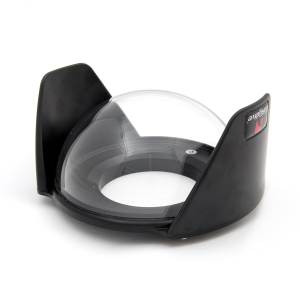 PortsPorts
 Accessories for Underwater HousingAccessories for Underwater Housing
 Arms and AccessoriesArms and Accessories
 Base for scooter DPVBase for scooter DPV
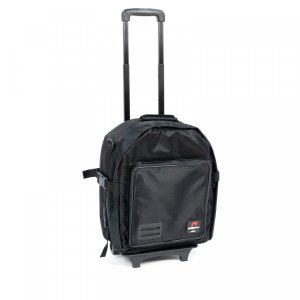 Bagpacks and CasesBagpacks and Cases
 Flash SalesFlash Sales
- Configure your Housing
 Underwater Housing
 Underwater Lighting
 Accessories
 Plexiglass Ports
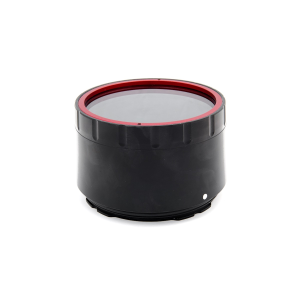 Crystal Glass Ports
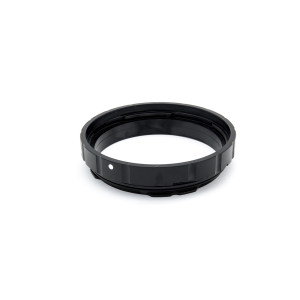 Extensions
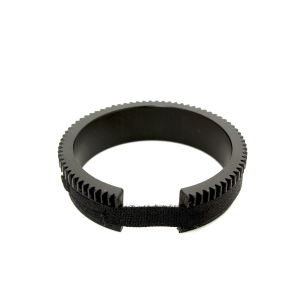 Port Rings
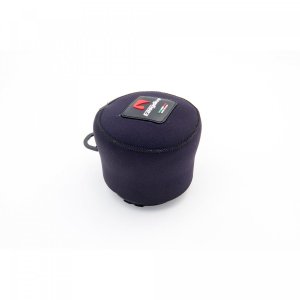 Covers and Taps
 Port Spare Parts
 Recommended Accessories
 Batteries and Cables
 Viewfinders
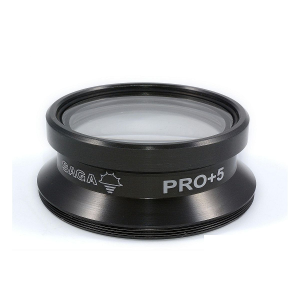 Additional Lenses and Filters
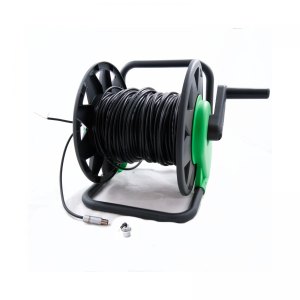 Remote Control
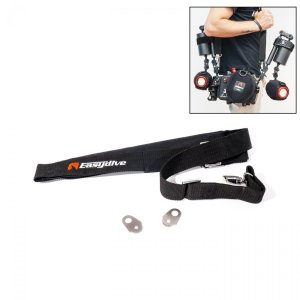 Brackets and Straps
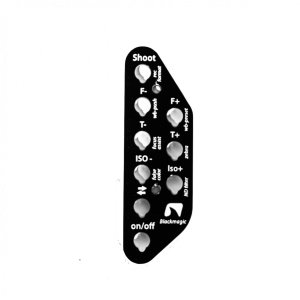 Accessories Spare Parts
 External Monitors
 Clothing and Gadgets
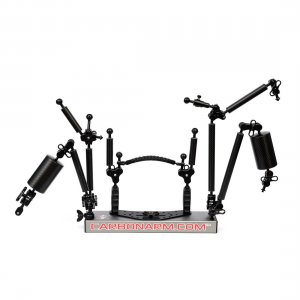 Arm Kits
 Arms
 Floats
 Clamps
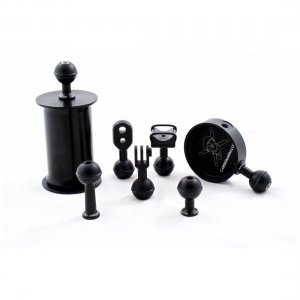 Balls and Mounts
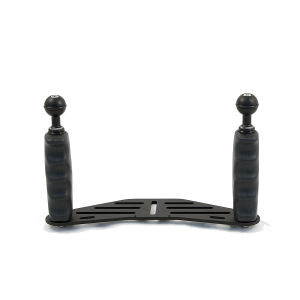 Trays
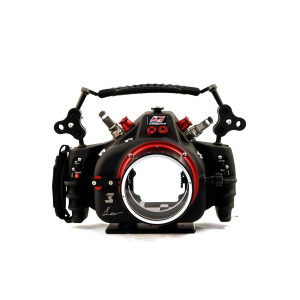 Handles and Grips
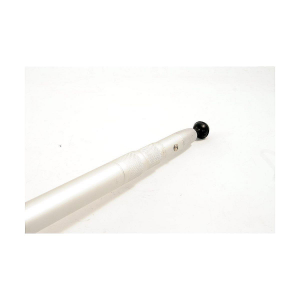 Polecams
 Tripods
 Arms and Mounts Spare Parts
 Helmets
Account
- Login
- Sign in
- Reset password
- Newsletter
- Photo credit
